Stack Depth, Seat Position, and Real Money Decisions
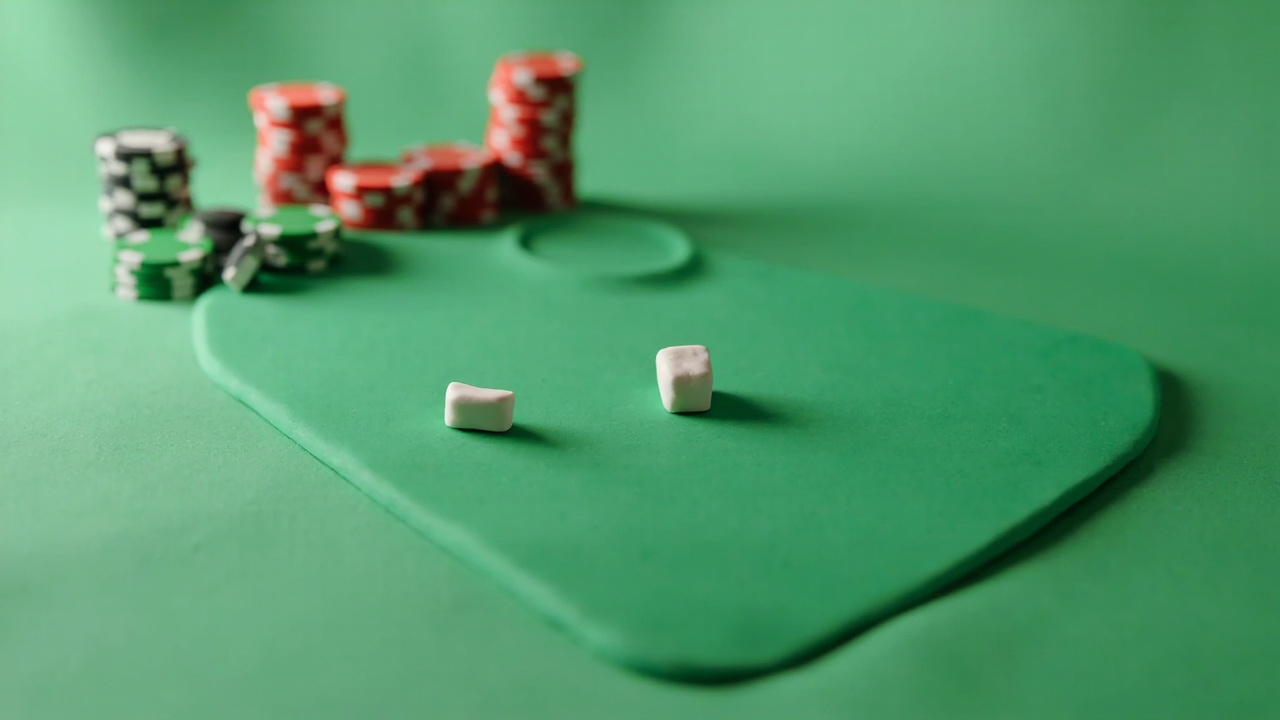
The arvo sun cuts through the blinds at a Brunswick back room while a tired deck waits on felt that has seen more shuffles than a Melbourne tram pole. When you sit down with a buy-in that feels right, the first real question is how many big blinds you actually hold and what that number lets you do. Texas holdem stack sizes explained starts with that number because depth dictates aggression, implied odds, and how often you can credibly push a marginal hand through a pot without giving your opponent a free look. A short stack turns a speculative hand into a commitment, while a deep stack lets you wait for texture that suits your range. The game changes the moment your chips stop representing abstract value and start representing action you can actually take.
Deep Stacks, Short Stacks, and What Each One Costs You
A stack measured in big blinds tells you more than a raw chip count ever will, because the same forty thousand dollars behaves completely differently at a two-dollar blind than at a fifty-dollar blind. When you are sitting with more than a hundred big blinds, you can play position properly, fold marginal hands without regret, and let implied odds do the heavy lifting on speculative holdings. That depth is where disciplined players separate themselves from tourists who confuse patience with inactivity. On the other hand, a stack under twenty big blinds strips away most of that flexibility and forces you into uptownpokies-onlineplay.com either a push or a fold mindset where post-flop skill matters less than preflop selection. I have watched operators treat stack depth like a prediction market line, adjusting liquidity and margin the way a trading desk trims exposure after a sharp move, and the same discipline applies at the table. If you are comparing how different rooms handle buy-ins and rebuy windows, you can see how a site like elvis frog trueways structures its cash game limits and table selection so that stack depth stays a real variable instead of a cosmetic one.
Table Behaviour, Position, and When Stack Size Changes Your Hand Range
Stack size does not exist in isolation because position and opponent tendencies determine whether your chips are an asset or a liability. In early position with a deep stack, you can tighten up and wait for hands that genuinely play well multi-way, while the same stack in late position lets you widen your opening range and use aggression to isolate weaker players. When the effective stack drops, those positional advantages shrink because there is less room to extract value after the flop and more pressure to make a decisive move before the pot gets away from you. A player who understands this will not treat a short-stack situation as a crisis but as a different game with narrower margins and clearer signals. I have run automated sports workflows that re-route volume when a market gets crowded, and the same principle shows up here: when depth compresses, you stop chasing complexity and start playing the highest-probability lines available. That mindset matters more than any flashy system because the table rewards the player who recognises when the game has changed.
Practical Stack Management Across Cash Games and Tournament Buys
Managing your stack well means treating each format as a separate discipline rather than assuming the same habits carry across the room. In a cash game, the practical move is to buy in for a depth that matches your comfort with variance and to rebuy deliberately instead of reacting to a single bad beat with a larger commitment. In tournament play, the starting stack and the blind structure decide how quickly you must act, so a thirty-big-blind start in a slow-structure event gives you time to accumulate, while a shallower start in a faster event forces earlier decisions and tighter risk control. Good players track their stack relative to the blinds, not relative to the chip count on the felt, because that ratio is what tells you whether a call is a fold, a shove, or a calculated squeeze. The same attention to detail shows up when you compare how a mobile app presents stack information at a glance versus a desktop layout, because clarity under pressure is what keeps a player from misreading the situation when the action heats up.
Mobile Play, Table Setup, and Why Stack Visibility Matters on the Phone
A mobile-first table has to show stack depth, blinds, and effective stack without making you hunt through menus while the action is moving, because a cluttered screen turns a simple decision into a delayed one. Responsiveness matters here in a practical way: the chip count, the pot size, and the opponent’s visible stack should sit where your eye can catch them in a second, especially when you are playing on the train or in a quiet corner of a pub between rounds. Performance is just as important because a laggy interface can make a timed decision feel rushed even when the clock has not moved, and that kind of friction is what pushes a player into a mistake they would not make at a physical table. Navigation should keep rebuys, table selection, and stack filters easy to reach without burying them under promotional clutter, because the player who wants to manage depth properly is usually the one who cares about the numbers first. When you are testing a room on a phone, the real question is whether the layout helps you read the situation or forces you to work around it.
When every glance at the screen needs to be instant, keeping the layout uncluttered is just as important as the hand rankings themselves. You can see how a streamlined overlay preserves that quick glance even when the network drops, which is why many players turn to guides like elvis frog trueways for layout ideas. If you want a deeper breakdown of how to balance those live metrics without sacrificing screen space, the walkthrough at https://elvis-frog-trueways-online-au.com/ lays out the exact spacing rules.
Quick Facts at a Glance
| Detail | What it means for stack play |
|---|---|
| Buy-in depth | Sets your starting big-blind count and how much post-flop room you have |
| Effective stack | The smaller of your stack and your opponent’s, and the number that really shapes the hand |
| Blind structure | Determines how fast your stack erodes and when push/fold pressure rises |
| Mobile display | Needs clear stack and pot visibility so depth-based decisions stay fast |
| Rebuy rules | Affect whether you can restore depth without changing your risk plan mid-session |
The right stack size is the one that matches the game you are actually playing, not the one that looks impressive on the felt. A disciplined player treats depth as a tool, uses position to stretch it, and recognises when the effective stack has shrunk enough to change the whole hand. If you want a room that keeps stack information clear, lets you choose buy-ins that suit your style, and does not hide the numbers behind crowded menus, then the setup is worth a proper look. For players who like to manage their own risk and read the table before they commit chips, that kind of clarity makes the difference between a session you can learn from and one you just survive.